So, What Exactly Is a Trading Channel?
At its core, a trading channel is simply a range where the price bounces between two lines: an upper resistance line and a lower support line. When the market respects these boundaries, traders use the “floor” to buy and the “ceiling” to sell. Simple? On paper, yes. In reality, you’ve got to deal with false breakouts, news shocks, and those weird times when price just doesn’t care about your lines.
The Two Classic Flavors
There are plenty of variations, but let’s keep it simple for now. Most beginners deal with two main types:
- Ascending Channel. Price keeps making higher highs and higher lows. Traders look for buy opportunities near the lower trendline.
- Descending Channel. The opposite story. Lower highs, lower lows, a clear downtrend. People often short near the upper line and take profit near the lower.
Of course, sideways channels exist too, where the market just ranges instead of trending, but they deserve their own rant (and we’ll get to that).
Why Do Channels Even Matter?
Here’s the thing: markets have memory. Traders remember levels. Algorithms pick them up. Crowd psychology reinforces them. That’s why channels often hold up longer than you’d expect.
And if you’ve ever been caught buying too high or selling too early, channels give you a map. They’re not perfect, but they provide a framework. And when you’ve got a framework, emotions take less control.
Drawing Channels Without Overthinking
You don’t need a PhD in math. Open your chart, grab a trendline tool, and connect at least two highs and two lows that seem to run parallel. Voilà, you’ve got a channel.
A couple of tips so you don’t end up drawing lines everywhere like a conspiracy theorist:
- Stick to significant swing points, not every tiny candle.
- The more times price touches your lines without breaking, the stronger your channel.
- Don’t force it. If it doesn’t look clean, it probably isn’t.
Entries, Exits, and That Pesky Risk
Alright, here’s the meat: how do you actually trade channels?
- Entries. Look for buys at the lower boundary in an uptrend or shorts at the upper boundary in a downtrend. Bonus points if volume confirms the move.
- Exits. Most traders aim for the opposite side of the channel. Buy low, sell high, it’s clichе, but it works.
- Stop-Losses. Don’t skip this. If you’re long from the bottom and price slices straight through like a knife, cut it quickly. Same goes for shorts. Place stops just outside the channel.
| Channel | How it looks | Typical Market Direction |
|---|---|---|
| Trend | Parallel lines sloping upward, downward, or flat | Depends on direction (bullish, bearish, neutral) |
| Flat | Sideways movement, no slope | Neutral |
| Ascending | Higher highs & higher lows (positive slope) | Bullish |
| Descending | Lower highs & lower lows (negative slope) | Bearish |
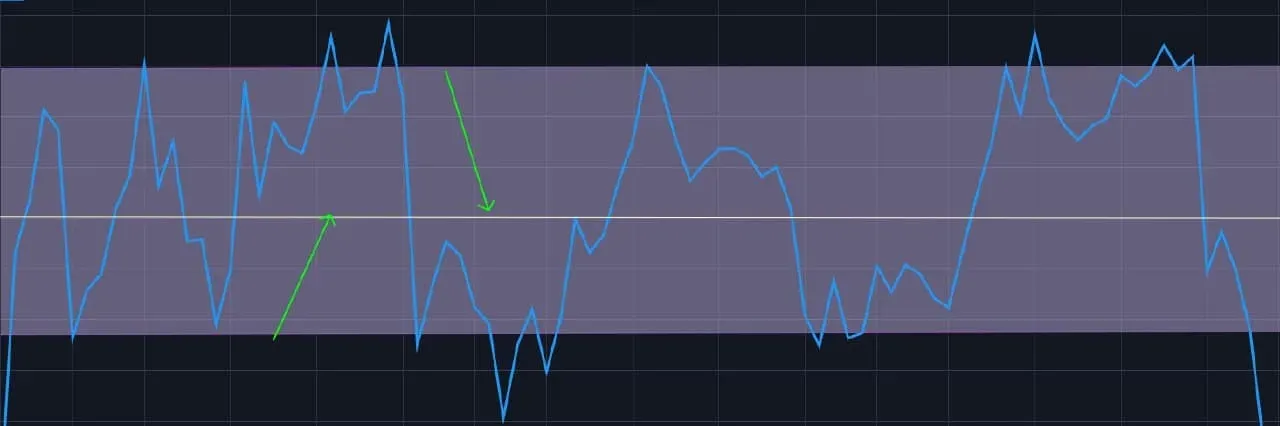
Fun fact: Many experienced traders actually like fakeouts. Why? Because a false breakout often traps the impatient, then price snaps back inside the channel, rewarding those who stayed cool.
Some Words About Sideways Channels
Sometimes the market just chills. No higher highs, no lower lows, just a tight sideways box. Newbies hate these ranges because “nothing is happening.” But it often builds energy for the next big move.
If you learn to recognize them, you’ll avoid overtrading and maybe even catch the breakout when it finally comes. Think of it as the calm before the storm.
Common Mistakes You’ll Want to Dodge
Let’s be real, everyone messes up at first. But here are a few traps you can sidestep:
- Overfitting channels — forcing lines where they don’t belong.
- Ignoring the bigger trend — trading a tiny descending channel inside a massive bull run? Yeah, risky.
- No risk management — if you’re risking half your assets on one channel trade, that’s not trading, that’s gambling.
Tools That Can Help
If you like to keep it simple, eyeballing works fine. But tools like TradingView or MetaTrader make drawing and adjusting channels easier. Some even let you set alerts so you don’t stare at your screen 24/7. And honestly, anything that saves you from chart fatigue is worth considering.
So, Are Channels Foolproof?
Nope. Nothing in trading is. Channels break, fakeouts happen, news nukes setups. But here’s the thing: channels give you structure. So, structure is half the battle.
When you combine them with other tools like RSI for momentum, or volume to spot conviction, they become way more powerful. On their own, they’re helpful. With confirmation, they’re gold.
Wrapping It Up
Trading channels are one of the simplest, most effective tools beginners can use to level up their entries and exits. Think of them as training wheels. Once you see how price respects these invisible walls, you’ll start noticing patterns everywhere.
So next time you open your chart, ask yourself: Is price bouncing between two boundaries? If so, you might just be looking at a roadmap for your next trade.