Meme coins explained: the meaning behind the hype
So, let’s put it simply: meme coins are cryptocurrencies born from memes, jokes, or cultural moments that snowball into something much bigger than their creators ever expected. The meme coin meaning doesn’t revolve around advanced tech, new consensus mechanisms, or even utility in the traditional sense. Instead, it’s all about social energy. If enough people online rally behind a coin, it can suddenly become valuable.
To really get meme coins explained, imagine this: Bitcoin was designed to disrupt the banking system. Ethereum was built to create smart contracts and decentralized applications. Meme coins? They were designed to make people laugh. Yet somehow, that laughter attracts investors, and investors bring liquidity, and before long, a “joke” is being traded on major exchanges.
So despite their playful origins, meme coins still run on blockchain technology. They benefit from the same traits as other altcoins: decentralization, transparency, and immutable records of transactions. Technically, they’re just another branch of crypto. But culturally, they’re something entirely different.
A brief history: from Doge to Pepe
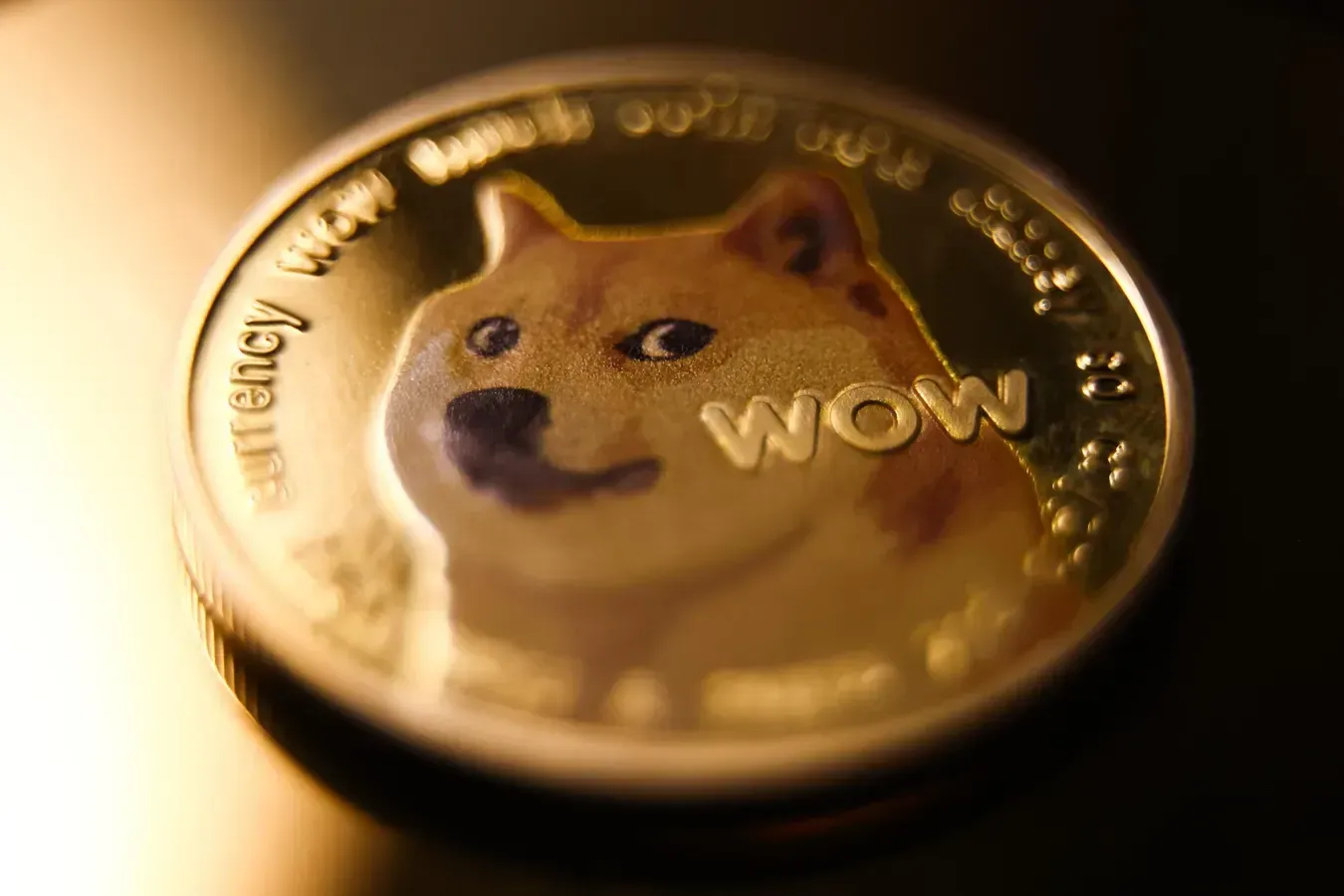
The story begins back in 2013 with Dogecoin (DOGE). A marketer and a programmer teamed up to show how ridiculously simple it was to fork an existing blockchain. In this case, it was Litecoin — and slap a meme on top. They chose the Shiba Inu dog, a meme that was already viral at the time, and launched DOGE into the wild. It was supposed to be a parody. Yet, it quickly picked up traction as a “fun” coin for tipping online.
For years, Dogecoin floated around as a niche community token. Until 2021, when Elon Musk tweeted about it and sent prices soaring. Suddenly, what started as satire became a cultural and financial phenomenon. DOGE’s market cap reached tens of billions, sparking a flood of new meme projects.
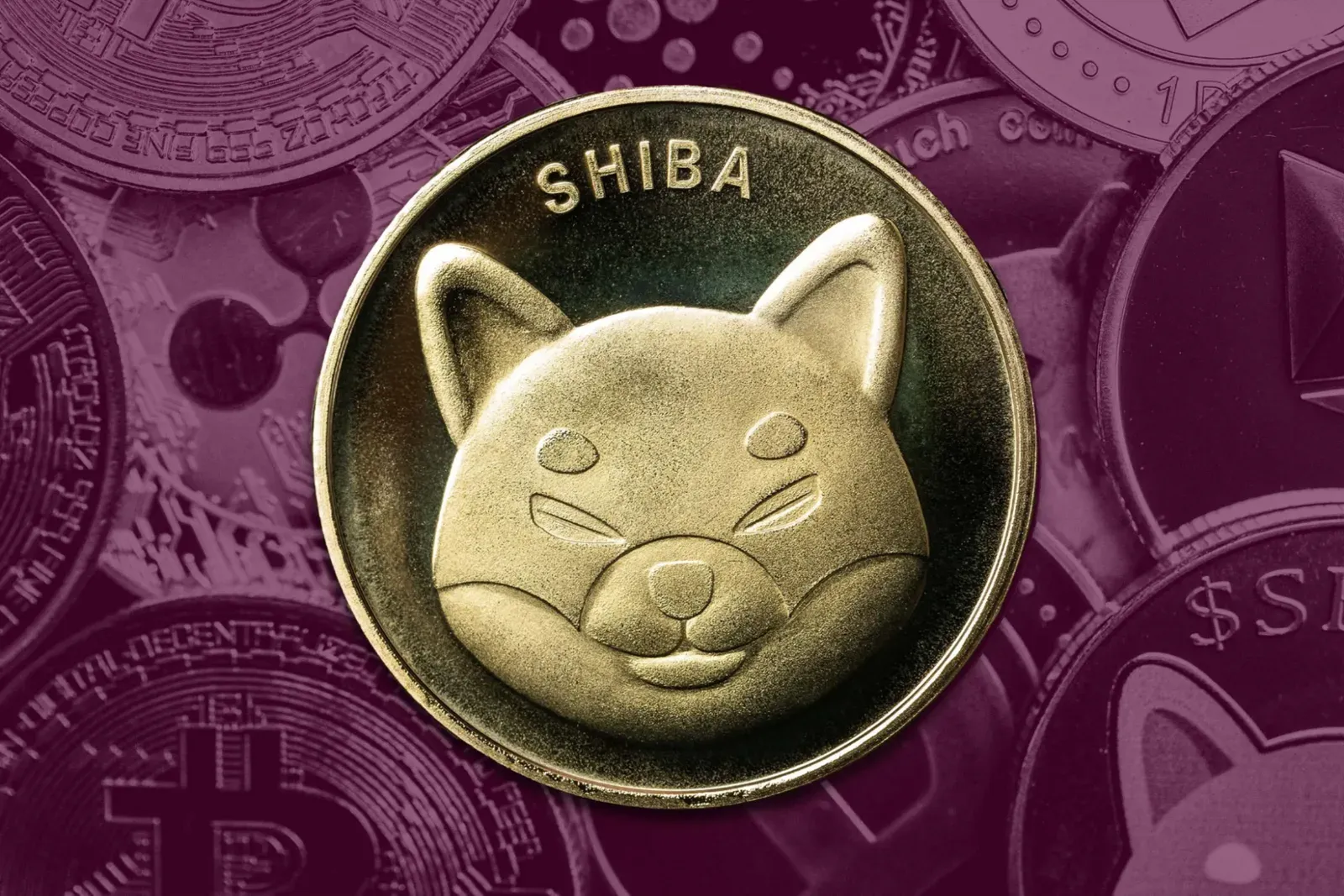
Next came Shiba Inu (SHIB), which leaned heavily into branding itself as the “Dogecoin killer.” Unlike Bitcoin, which prides itself on scarcity, SHIB went the opposite route, creating an absurdly massive token supply — a quadrillion coins. It was about virality, affordability, and community. If DOGE was the pioneer, SHIB proved that meme coins could build ecosystems and don’t concentrate on just fan bases.
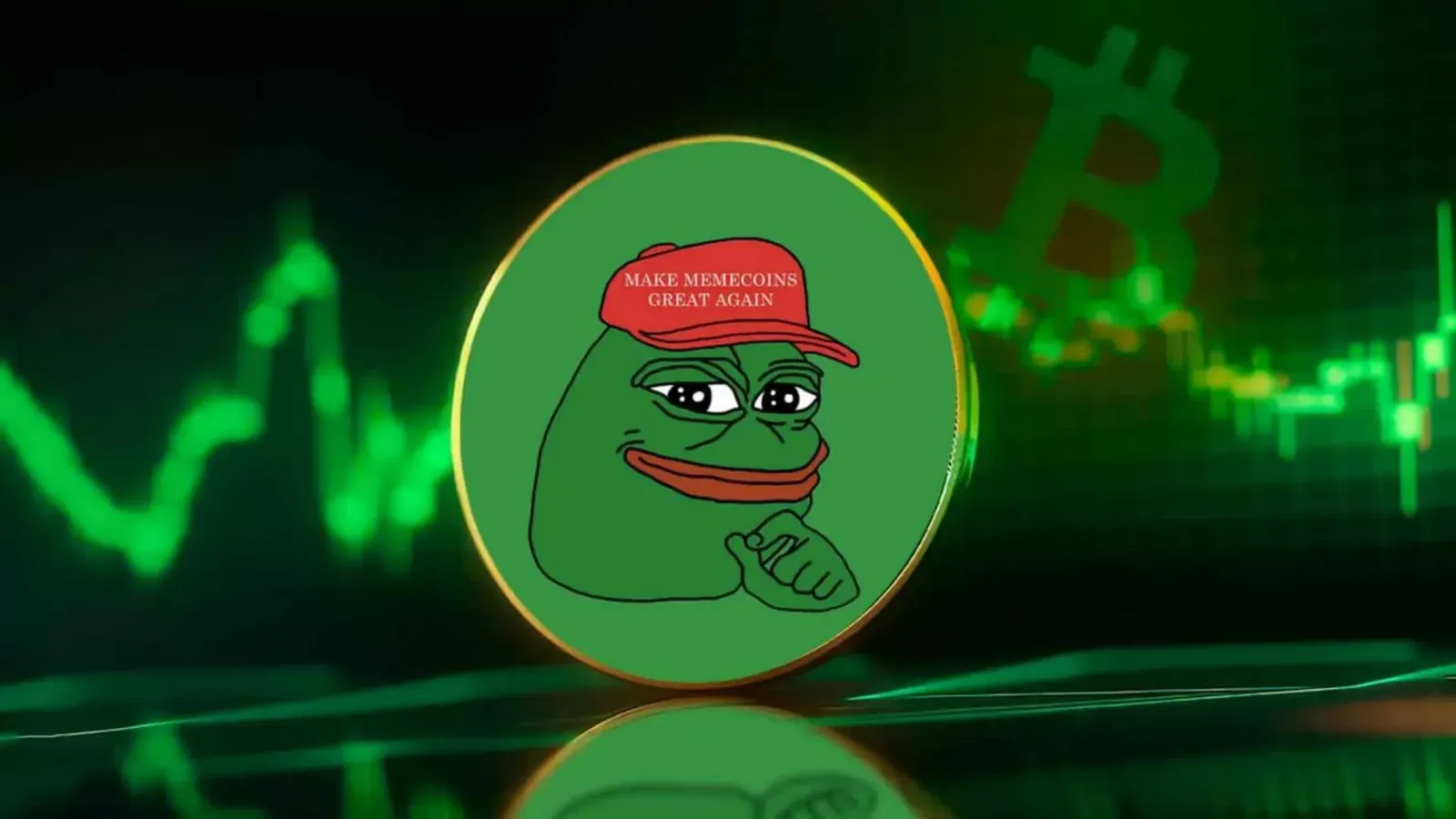
Then came PEPE, a token inspired by the infamous Pepe the Frog meme. Launched in 2023, PEPE tapped into a new wave of internet nostalgia, quickly gaining traction across socials. Its popularity highlighted something crucial: meme coins are less about technological merit and more about cultural timing.
So, if you’re wondering why meme coins are so popular, the answer is straightforward: they’re built on the same forces that make memes go viral in the first place — relatability, humor, and community.
Why do people buy meme coins
At first glance, it might seem like there’s no real meme coin uses. But the value isn’t in the direct utility. It’s in what they represent.
For many traders, meme coins are about belonging. They offer a shared experience: thousands of people rallying around the same inside joke, creating memes, sharing screenshots, and collectively hoping their coin “moons.” This community-driven energy is powerful. It’s what fuels Reddit groups like r/WallStreetBets, and it’s the same vibe that drives meme coins forward.
There’s also the speculative angle. Being honest, most people aren’t buying DOGE or SHIB because they believe in their long-term fundamentals. They’re buying because they think they can flip it for a profit. Speculative trading is at the heart of meme coins, and the volatility makes it both thrilling and terrifying. Also, meme coins often act as cultural marketing tools. They catch mainstream attention in ways that traditional crypto rarely does.
Are Meme Coins Safe? Understanding the Risks
For every story of someone turning a few hundred dollars into millions, there are countless untold stories of traders losing it all. Meme coins are built on hype and volatility, which makes them some of the riskiest assets in the crypto market. Their biggest strength — community-driven momentum, so it’s also their biggest weakness.
Another key risk is a lack of fundamentals. Most meme coins don’t have roadmaps, utility, or development teams focused on long-term growth. They exist because people are talking about them, and when people stop, the project can vanish overnight. That makes them very different from coins tied to actual blockchain infrastructure or DeFi protocols.
Another danger is rug pulls and scams. The low barrier to launching a meme token means anyone with basic coding skills can create one, hype it on socials, and then drain liquidity once enough traders buy in. This has happened repeatedly with tokens that trended for just a few days before collapsing to zero.
Volatility is the third major risk. Meme coins often see double-digit price swings in a single day. That creates opportunities for quick profits, but it also punishes latecomers. Traders chasing pumps typically end up buying near the top, only to see their holdings lose 80–90% of their value in a matter of days.
The Bottom Line: Should You Buy Meme Coins?
Meme coins sit at the intersection of internet culture and speculative trading. They’re not designed to replace Bitcoin or Ethereum, and they typically lack the fundamentals of serious projects. What they do have is attention, humor, and volatility, so in crypto, that’s often enough to move billions of dollars.
For traders looking to navigate the hype, Hash Hedge puts powerful tools in your hands — analyze 160+ crypto pairs in real time, spot liquidity shifts before they unfold, and trade with zero hidden fees.