What Is the Head and Shoulders Pattern
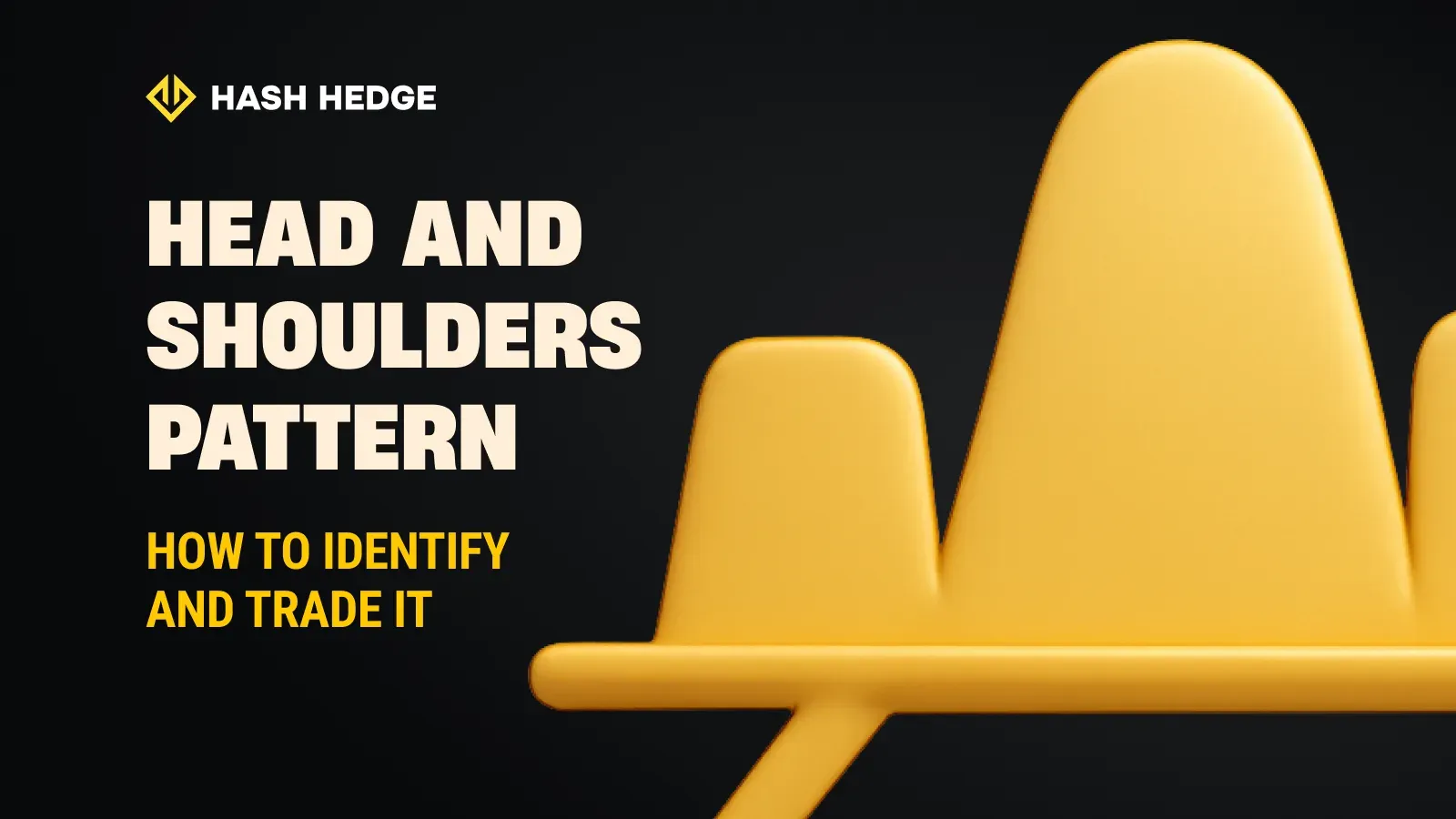
At its core, the Head and Shoulders is a reversal pattern — a warning that an existing trend might be losing steam. It typically appears after a strong bullish move, indicating that buyers are losing momentum and sellers are gaining control.
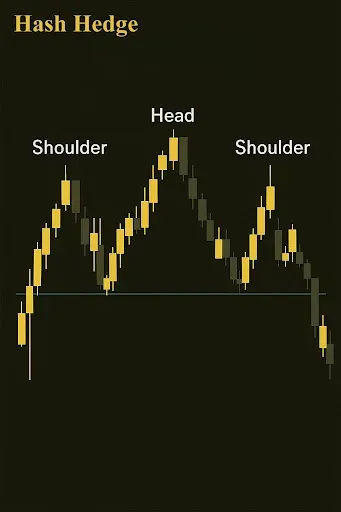
Here’s what it looks like in its classic form:
- Left Shoulder. Price makes a push higher, forming its first peak.
- Head. Price rallies again, this time to a higher high, before pulling back once more.
- Right Shoulder. Price tries one more time but fails to beat the previous high, forming a lower peak.
- Neckline. The line connecting the two pullbacks (valleys). When the price breaks below it — that’s your confirmation signal.
Why Traders Care About It
Because psychology never changes. Every part of this pattern reflects crowd behavior: the left shoulder is enthusiasm. The head is overconfident: everyone believes it’s “going to the moon.” The right shoulder is hesitant.
So, the neckline break is the panic moment — those late buyers rush to exit, fueling the new downtrend.
In other words, the H&S pattern visualizes greed turning into fear. And that’s exactly why it’s still relevant, even in crypto markets that move faster than any stock chart ever did.
Analyze over 160 crypto assets with the professional Hash Hedge Terminal.
Spotting H&S
If you’re trading crypto, you’ll soon notice that H&S patterns show up more often than you think. But crypto charts can be messy — volatility exaggerates every move, making patterns noisy and harder to trust.
Here’s what helps to confirm a real Head and Shoulders setup:
- Clear Trend. It should appear after a solid uptrend. If the price was already sideways, skip it.
- Symmetry. Shoulders don’t have to be perfectly even, but they shouldn’t look like random spikes either.
- Volume Clues. Typically, volume increases during the left shoulder and head but fades on the right shoulder.
- Breakout Confirmation. The neckline break should happen on higher volume. Otherwise, you’re probably looking at a fakeout.
If you want to trade based on these signals without risking your funds, try Hash Hedge: a professional terminal with 160+ crypto assets, from BTC to Pepe. Every pair is available with up to 5X leverage.

Drawing the Neckline
This part is where many traders mess up. The neckline shouldn’t always be horizontal. Sometimes it slopes upward or downward, so that slope actually changes the pattern’s meaning.
- Flat Neckline is the classic version, so it looks clean and easy.
- Upward Neckline suggests the uptrend is still hanging on; you might need a stronger break to confirm.
- Downward Neckline is showing that bears are already gaining control.
When the price closes decisively below the neckline, traders often project the measured move, the distance from the head’s peak to the neckline. So it becomes the potential drop target.
How to Trade the Head and Shoulders Pattern
There’s no single formula for trading H&S, but experienced traders usually follow a simple, disciplined approach. First, wait for a confirmed breakout — don’t guess. The price should close below the neckline (or above, for an inverse pattern) before you act.
Next, look for confirmation from volume or momentum indicators. For example, an RSI dropping below 50 or a bearish MACD cross can help validate the move.
Once confirmed, plan your trade carefully. You can enter after the breakout or wait for a retest of the neckline for a safer entry. Place your stop-loss just above the right shoulder to limit risk, and target a profit roughly equal to the distance between the head and the neckline, projected from the breakout point.
Head and Shoulders vs. Inverse Head and Shoulders
The classic Head and Shoulders pattern marks the end of a bullish phase and hints at a potential market reversal to the downside. Its counterpart — the Inverse Head and Shoulders — reflects the opposite market psychology: it forms after a downtrend and signals that sellers are losing dominance while buyers prepare to regain control.
Structurally, the inverse version mirrors the traditional one. Instead of three peaks, it displays three distinct troughs — a moderate dip (left shoulder), a deeper one (head), and a higher low (right shoulder). The neckline connects the highs between these troughs, acting as a key resistance level.
When price action breaks above this neckline, momentum shifts upward, confirming the reversal and often initiating a fresh bullish trend. The most reliable signals occur when this breakout is supported by rising trading volume, reinforcing buyer conviction.
In short:
| Feature | H&S | Inverse H&S |
|---|---|---|
| Trend Before Pattern | Uptrend | Downtrend |
| Pattern Type | Bearish reversal | Bullish reversal |
| Formation | Three highs | Three lows |
| Breakout | Below neckline | Above neckline |
| Signal | Growing selling pressure | Growing buying pressure |
| Confirmation | Price drops with volume | Price rises with volume |
Mistakes Traders Make & How to Avoid Them
One of the biggest mistakes is forcing the pattern. Traders sometimes convince themselves that a random spike is a shoulder or a head. Confirmation bias can lead to entering trades that aren’t really there.
Another is ignoring the larger trend. A Head and Shoulders pattern on a 5-minute chart might seem compelling, but if the daily or weekly trend is still strongly bullish, the setup has much less significance.
Jumping in too early is a common trap. Front-running the neckline break often leads to getting caught in false moves. Waiting for a confirmed close beyond the neckline significantly increases your odds.
By staying patient, checking the broader context, and using volume and momentum as guides, you can avoid these traps and trade smarter.
Final Thoughts
Think of the Head and Shoulders as a story, not just a shape. It’s the tale of optimism fading into uncertainty, confidence giving way to doubt. Every peak and trough reflects real human emotion. So, this way, your job as a trader is to read that story faster than everyone else.