
Fees: Small Numbers, Big Consequences
Fees are rarely seen as a serious issue. But if you’re involved in short-term trading, fees turn into a constant tax on activity. The more often you enter and exit positions, the more noticeable they become.
The problem is that fees:
- Are charged on every trade, regardless of the outcome.
- Are rarely factored into the setup logic.
- Gradually distort a strategy’s statistics.
Over time, it looks like this: the trader sees a decent win rate and a reasonable risk-to-reward ratio, but the account grows slowly or not at all. The issue isn’t the strategy. It’s that fees steadily eat away at the expected return.
That’s why traders moving into funded crypto trading often start tracking fees properly for the first time. When you trade with company capital, any systematic leak shows up immediately in the numbers.
Slippage: The Quiet Enemy of Active Traders
Slippage is the difference between the expected execution price and the actual fill. On paper, it looks minor. In real trading, it adds up fast.
Slippage shows up most often:
- During periods of high volatility.
- Around news events.
- When trading larger position sizes.
- In low-liquidity conditions.
The issue is that traders rarely account for slippage in their calculations. As a result, stops end up slightly farther away, targets slightly closer, and the final outcome of the trade is worse than planned.
For short-term strategies, this is especially painful. When a trade aims for a small percentage move, or even fractions of a percent, minor execution differences start to matter.
Within funded trading accounts, this becomes even more important. Risk rules are strict, and a few extra points of slippage can unexpectedly push you closer to a limit.
Spread and “Quiet” Manipulation
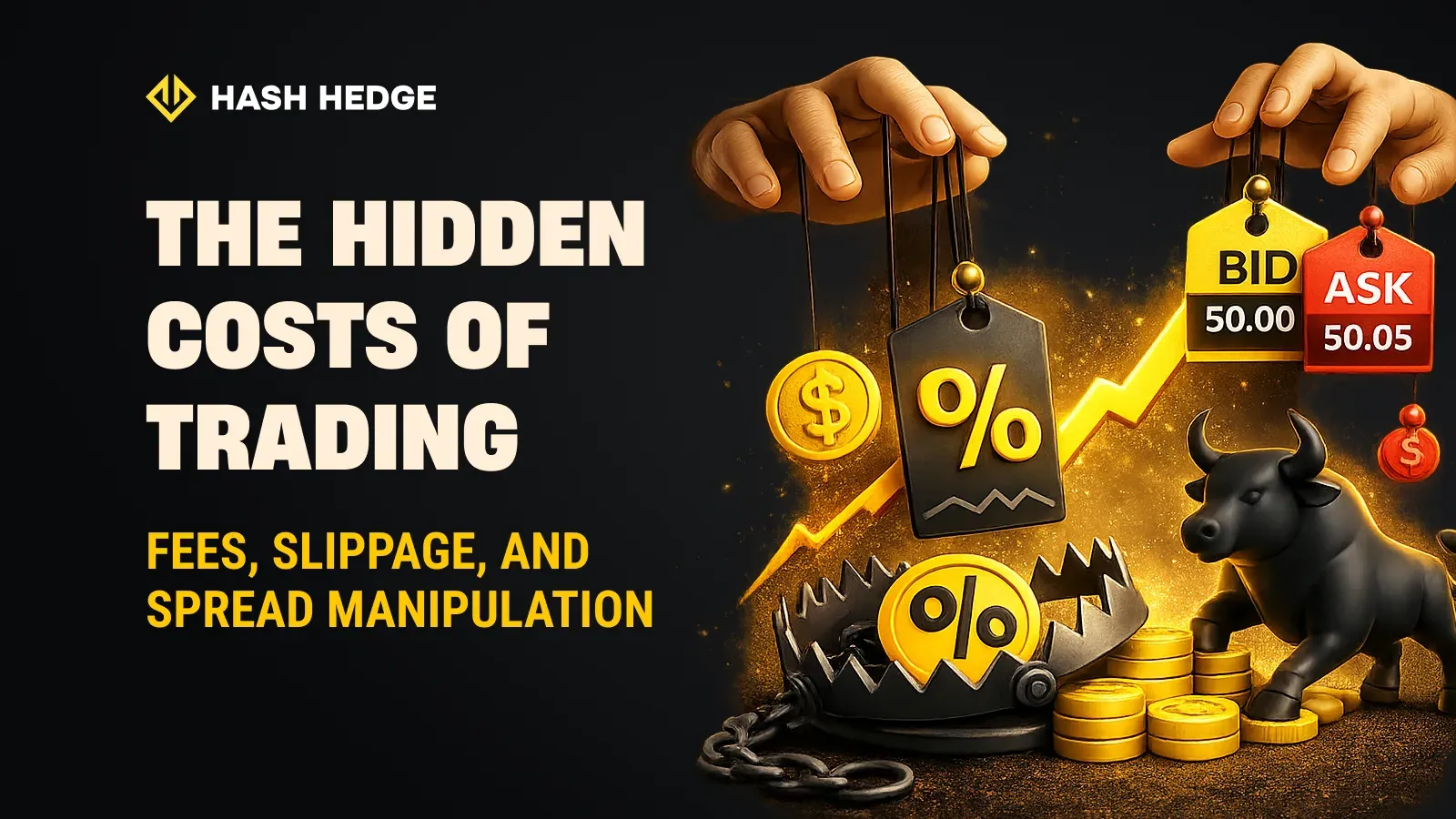
The spread — the difference between the bid and ask — is often perceived as fixed and predictable. On the interface, it looks stable, so traders rarely think about how it behaves in different market conditions. In real trading, spreads can:
- Widen during periods of low liquidity, when fewer participants are active.
- Expand sharply during news or sudden impulses.
- Change without an obvious reason, especially during quiet market phases.
From the trader’s perspective, it often feels like the market suddenly moves against the position. In reality, the trade simply becomes more expensive at the moment of entry or exit without any clear signal on the chart.
In crypto, this is amplified by the fact that trading runs 24/7, and not all hours are equally liquid. During quieter periods, spreads can behave unpredictably, especially on less popular instruments. What looks normal during the day can produce very different execution results at night or on weekends.
This is where crypto market transparency and infrastructure quality matter most. A crypto prop trading firm with solid execution and clear conditions can reduce the impact of these factors. But they can’t eliminate them entirely, they can only be managed through strategy design and risk control.
Why Traders Underestimate Hidden Costs
The main reason is simple: these losses aren’t visible right away. They don’t look like mistakes. They don’t trigger an immediate emotional response. Hidden costs just slowly and quietly reduce results, trade after trade.
Traders see individual entries and exits, but they don’t feel how fees, slippage, and spreads gradually eat into the strategy’s expected value. That’s what makes this so deceptive, everything feels fine. Setups are there, rules are followed, and there are no obvious errors.
As a result, traders start to:
- Change strategies more often, looking for “the one.”
- Hunt for “better setups” instead of analyzing execution.
- Increase risk to compensate for a sense of stagnation.
The paradox is that these actions usually amplify the impact of hidden costs. The higher the activity and risk, the more money leaks through fees and imperfect execution.
Understanding the true cost of a trade is a key step toward consistency. Especially if the goal is to get a funded trading account and operate over the long term, not just score a short-term win. This is the point where trading shifts from a series of lucky entries to a structured system.
How the Prop Model Reveals the Real Picture
One of the strongest aspects of prop trading is transparent reporting. When you trade through a crypto prop trading firm, every fee, every instance of slippage, and every point of spread is reflected in the reports.
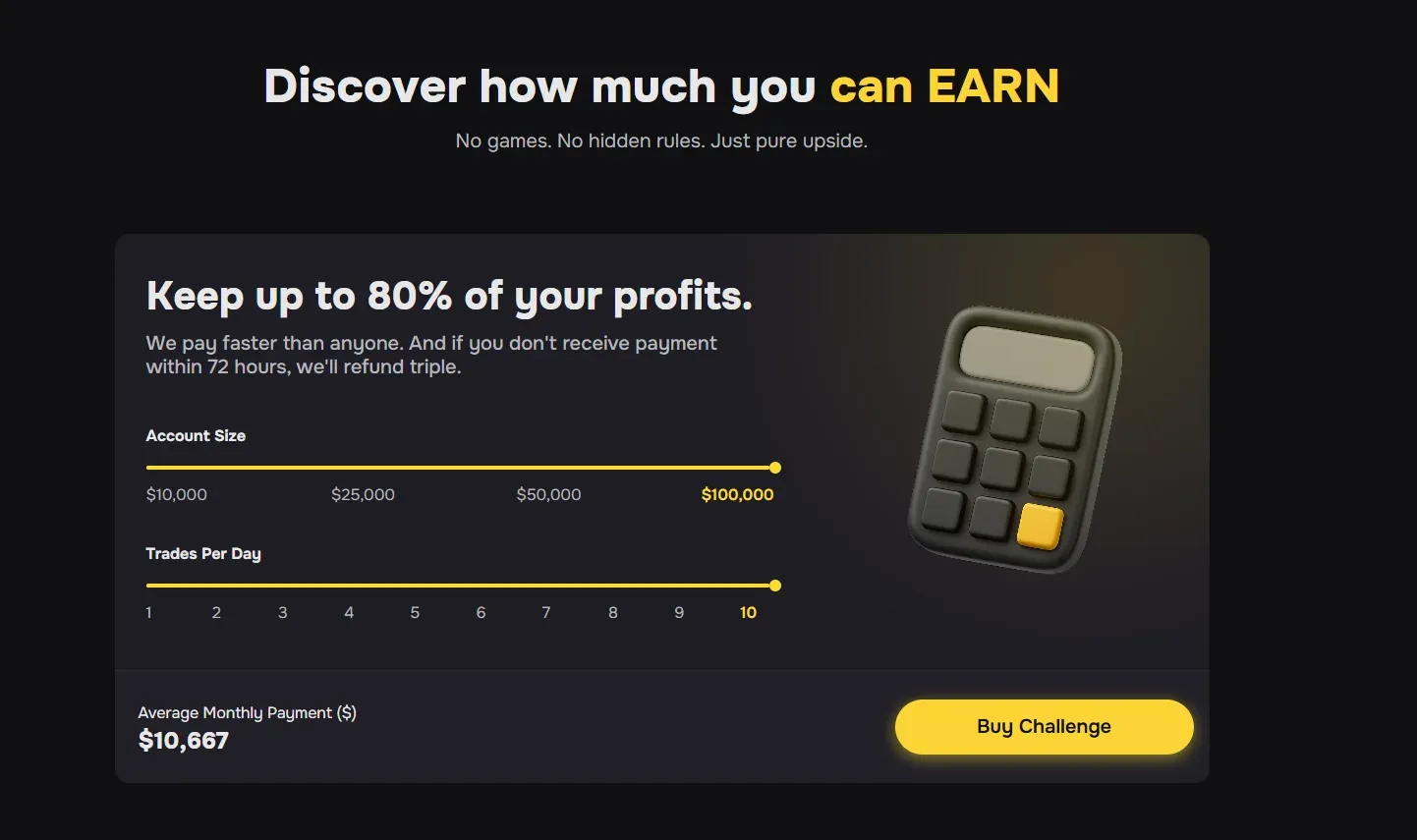
This creates discipline. It forces traders to view trading not as a collection of good entries, but as a system with real costs.
That’s why many traders say that even passing a crypto trading challenge is valuable not only for access to capital, but for understanding where a strategy actually loses money.
Final Thoughts
- Fees are easy to ignore, but critical over time.
- Slippage and spreads directly affect short-term performance.
- Hidden costs often explain “mysterious” PnL issues.
- The prop model helps reveal the real economics of trading.
If your goal is to become a funded crypto trader, it’s important to consider not only setups and entry points, but everything that happens around a trade. And if you’re ready to work with company capital and transparent stats, you can always start trading with Hash Hedge and test your strategy in real conditions.